

Yellow Stains in Pool: Causes and Easy Ways to Prevent Them
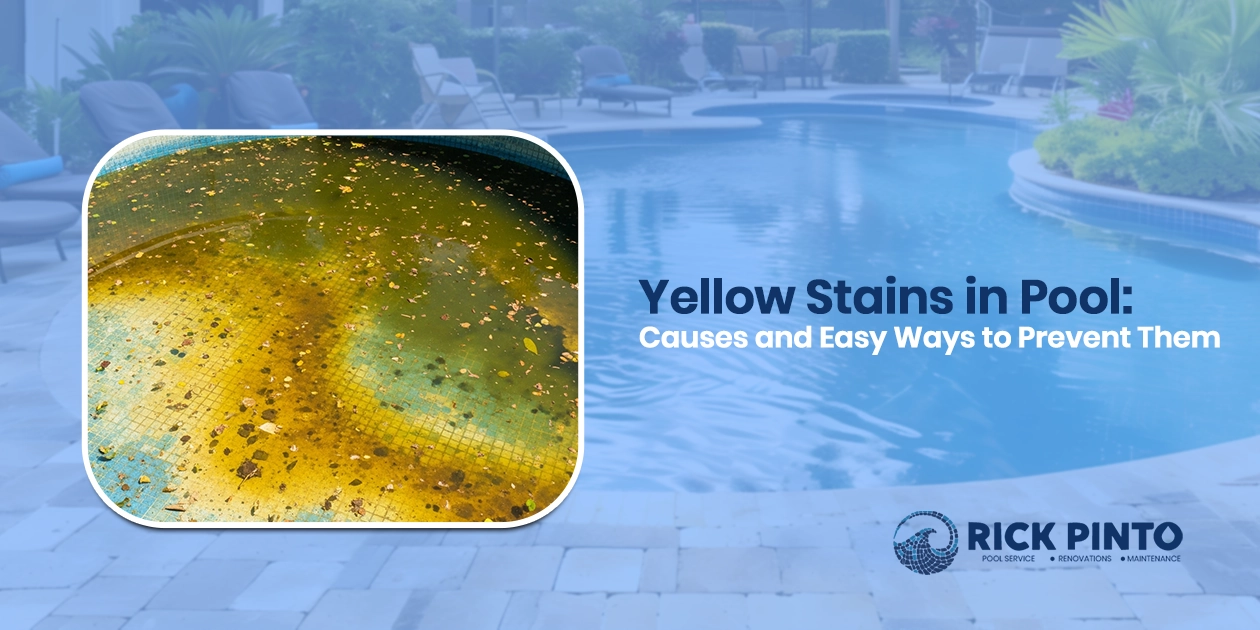
There is nothing more inviting than the sight of a shimmering, blue swimming pool on a hot afternoon. However, that relaxation can quickly turn into frustration when you notice unsightly Yellow Stains In Pool surfaces. Whether they appear as a light dusting or stubborn streaks, Pool Stains are a common headache for many homeowners. Understanding why these marks appear is the first step toward reclaiming your pristine oasis and ensuring your pool stays healthy for everyone to enjoy.
Common Causes of Yellow Discoloration
Before you can effectively treat the problem, you have to identify the culprit. Not all yellow marks are created equal.
- Mustard Algae: Often mistaken for sand or pollen, this is a chlorine-resistant strain of algae that clings to walls and floors in shady areas.
- Metal Oxidation: High levels of iron or manganese in your water can oxidize, leaving behind yellow, orange, or brown deposits on the liner or plaster.
- Organic Debris: Tannins from fallen leaves, acorns, or heavy pollen counts can seep into the water and leave localized Get Rid of Yellow Pool Marks.
How to Remove Yellow Stains in Pool Surfaces
If you are already dealing with a yellowing problem, don’t panic. Following a structured Pool Stains Removal Guide can help you clear up the water without damaging your pool’s finish.
Step 1: Test the Water
Always start with a chemical test. Check your pH, alkalinity, and chlorine levels. If the yellowing is caused by algae, your chlorine is likely low. If it’s metal-based, your pH might be out of balance, allowing minerals to “drop out” of the water and stick to the surface.
Step 2: Brush and Shock
For organic issues or algae, you need to Remove Yellow Pool Stains by physically scrubbing the affected areas with a pool-safe brush. Once the particles are loose, a heavy dose of pool shock will help kill the organic matter.
Step 3: Use a Sequestering Agent
If the stains are metallic, a sequestering agent is your best friend. This chemical binds to the metals in the water, preventing them from settling on the walls and helping you fix Pool Stains before they become permanent.
Simple Ways to Prevent Future Stains
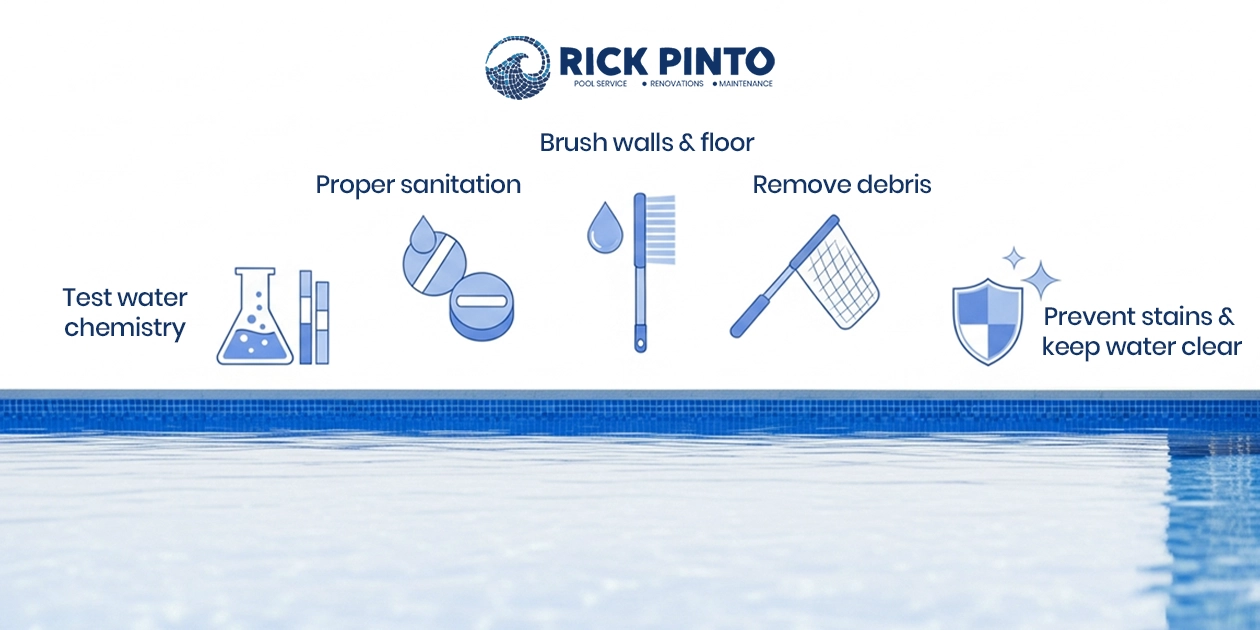
Prevention is always easier (and cheaper) than a full Pool Surface Stains Removal process. To keep your water sparkling, follow these three simple habits:
- Maintain Constant Circulation: Stagnant water is a breeding ground for algae. Run your pump for at least 8–12 hours a day.
- Regular Cleaning: Skim the surface daily and vacuum the floor weekly to remove organic debris before it has a chance to decay and stain.
- Monitor Metal Levels: If you use well water to fill your pool, use a metal pre-filter on your hose to catch minerals before they enter the system.
When to Call the Professionals
Sometimes, a DIY approach isn’t enough. If the stains persist after multiple treatments or if you are worried about using harsh chemicals on your high-end pool finish, it is time to seek expert advice. Professional cleaners have industrial-strength solutions and the experience to diagnose the exact chemical imbalance causing the issue.
Get Your Pool Back to Sparkling Blue
You shouldn’t have to settle for a stained or murky pool. At Rick Pinto Pools, we specialize in comprehensive maintenance and cleaning services designed to keep your backyard retreat in top-tier condition. From chemical balancing to deep surface cleaning, our team is here to help.
Contact Rick Pinto Pools Today for a Professional Inspection! Let us take the guesswork out of your pool maintenance so you can get back to what matters most enjoying the water!



Leave a Reply